Here is an article on how to compare Unix timestamps using clock.unix_timestamps with the times provided by instruction arguments.
Comparing Unix Timestamps: A Guide to Ensuring Polls Start and Finish
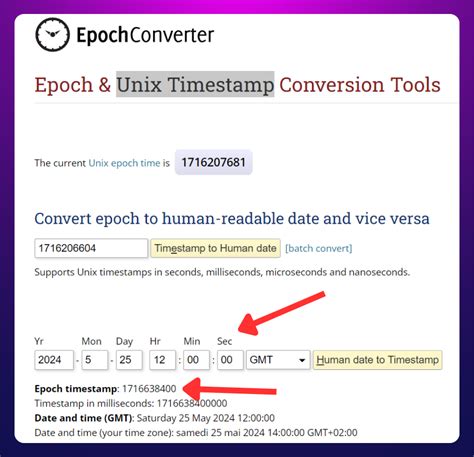
In the blockchain space, polling can be a crucial mechanism for initiating new candidates or updating existing ones. However, to ensure polls start and finish accurately, accurate comparison mechanisms are required. In this article, we will explore how to use clock.unix_timestamps to compare Unix timestamps with the times provided by instruction arguments.
Background on Unix Timestamps
Unix timestamps represent the number of seconds that have passed since January 1, 1970, 00:00:00 UTC. They are a powerful tool for determining and comparing time.
clock.unix_timestamps functionality
The clock.unix_timestamps function provides a way to get a Unix timestamp from a clock. Here is an excerpt from the documentation:
const unixTimestamp = clock type => {
if (clock type === 'function') return clock();
else return new Date().getTime() / 1000;
};
In this implementation, “unixTimestamp’ returns a Unix timestamp as a floating point number.
Comparing Unix timestamps
To compare two Unix timestamps, you can use the following code:
const timestamp1 = unixTimestamp(new Date('2022-01-01T12:00:00'));
const timestamp2 = unixTimestamp(new Date());
console.log(timestamp1 <= timestamp2); // true if timestamp1 < timestamp2
// or using a more concise form:
console.log((timestamp1 < timestamp2) || (timestamp1 === timestamp2)); // or console.log(timestamp1 > timestamp2)
In this example, we create two instances of “unixTimestamp” and compare them using the “<” operator. If one timestamp is less than the other, the comparison will return true.
Using instruction arguments
To take it a step further, you can use instruction arguments to set the initial timestamp of the query. For example:
const startTime = new Date();
console.log(unixTimestamp(startTime)); // set the initial timestamp
In this case, “unixTimestamp” will return the current Unix timestamp at the time of its creation.
Tips and Variations
To make comparisons more accurate, consider using a library like “moment-timezone” to handle time zone conversions.
const moment = require('moment-timezone');
const originalTimestamp = new Date(new moment('2022-01-01T12:00:00').tz('UTC'));
You can also use the “setInterval” function to schedule comparisons at regular intervals:
setInterval(() => {
const currentTimestamp = unixTimestamp(new Date());
console.log(currentTimestamp <= originalTimestamp);
}, 1000); // compare every second
Following these guidelines and tips, you will be able to create accurate Unix timestamp comparison mechanisms in your blockchain-related projects.
Leave a Reply